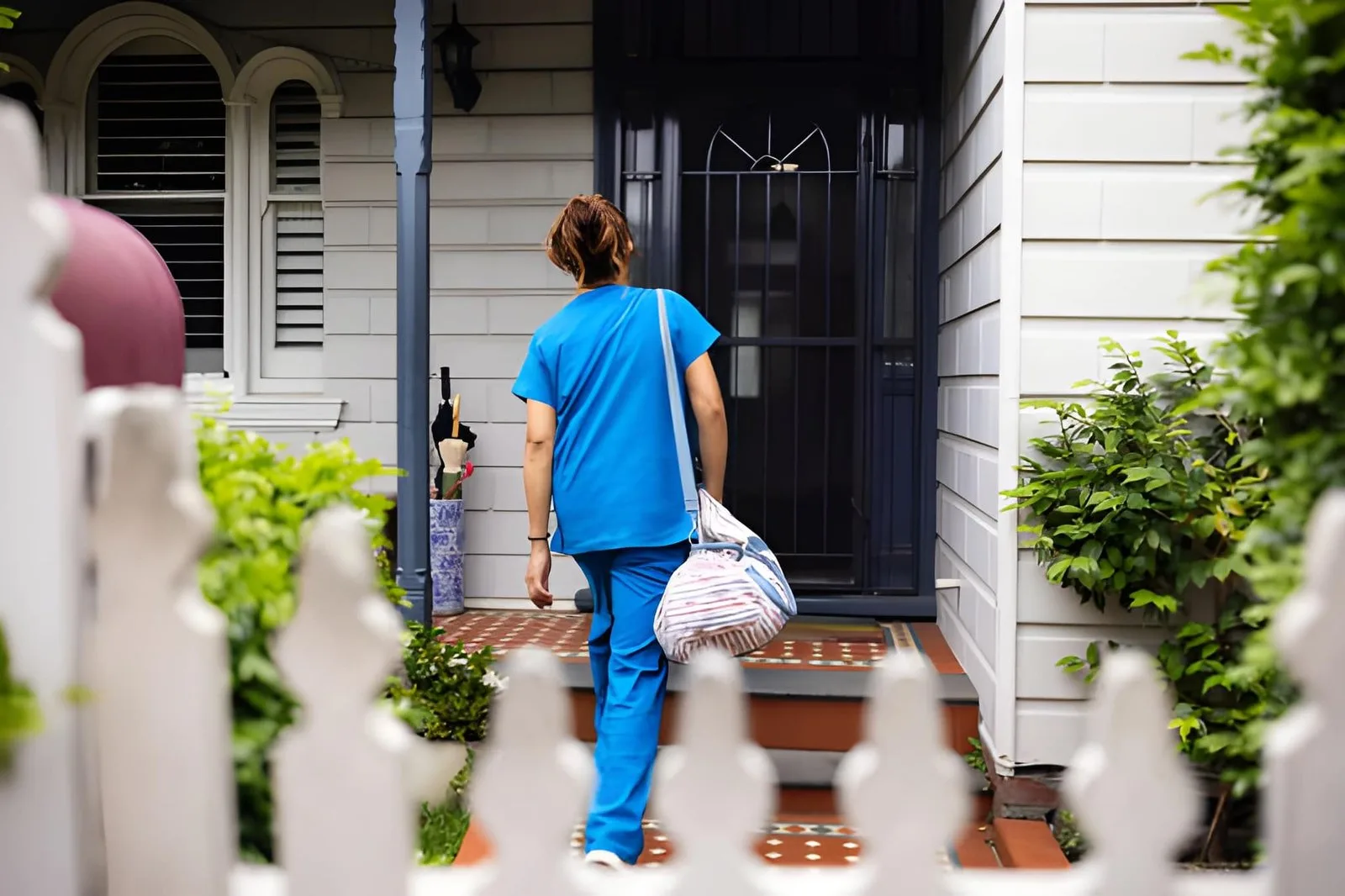
The trip home after a hospital or rehabilitation stay can feel like a finish line, but it is often the beginning of a demanding transition. Clear instructions, a prepared environment, and enough hands-on support can make the first days more manageable.
Before discharge, get the plan in writing
Ask the discharge team to explain diagnoses, activity limits, warning signs, medications, equipment, wound or personal-care needs, and follow-up appointments in plain language. Identify whom to call with questions after returning home.
If more than one family member is involved, choose one person to maintain the current plan and share updates. Conflicting instructions can create avoidable stress.
Prepare the home and route inside
Walk through the path from the vehicle to the main living area. Remove trip hazards, improve lighting, make room for mobility equipment, and place frequently used items within easy reach.
The CDC notes that older adults may face increased fall risk after hospitalization. Ask the clinical team whether a formal fall-risk evaluation, therapy plan, or equipment instruction is needed.
Reconcile medicines and supplies
Compare the discharge medication list with what is already at home. Do not guess when instructions conflict. Contact the discharging clinician or pharmacist for clarification.
- Fill new prescriptions before the first dose is due
- Remove discontinued medicines only as directed
- Confirm timing, food instructions, and special storage
- Arrange dressings, continence supplies, or equipment
- Keep emergency and after-hours contact numbers visible
Plan the first 72 hours
The first few days reveal practical gaps that were easy to miss in the hospital. Who will help with bathing? Can the person stand safely? Is someone available overnight? How will meals, transportation, and follow-up visits happen?
Short post-hospital visits may cover a focused routine, while longer or 24-hour care may be appropriate when mobility, cognition, or supervision needs are more extensive.
Know what home care can add
Post-hospital home care can support personal routines, meals, mobility, transportation, medication services, companionship, and communication with the family. Skilled nursing may be included when assessed and authorized.
Home care does not replace medical follow-up. New or worsening symptoms should be reported according to the discharge plan, and emergencies require 911.
Frequently asked questions
Quick answers
How soon should home care begin after discharge?
Planning should begin before discharge whenever possible. The start time depends on the discharge plan, assessed needs, and caregiver availability.
Is post-hospital home care the same as Medicare home health?
Not necessarily. Private-duty support and Medicare-certified home health have different services, eligibility rules, and payment arrangements. A person may need one or both.
Sources and further reading
Authoritative references used to prepare this educational guide: