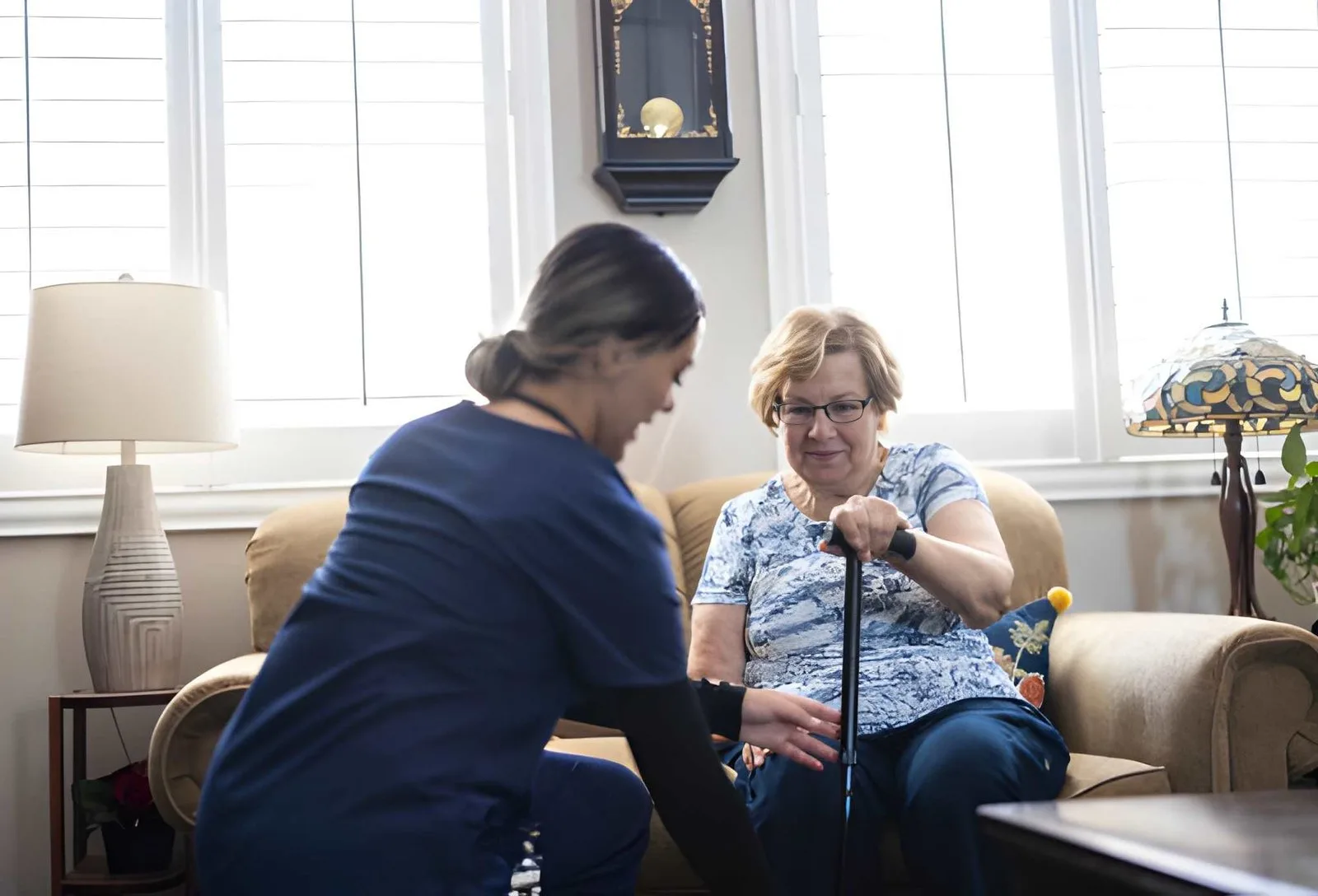
Dementia can make ordinary moments feel unfamiliar. A predictable rhythm cannot remove every challenge, but it can reduce the number of decisions a person must navigate and give caregivers a clearer foundation for the day.
Begin with the person’s existing rhythm
A useful routine is not a rigid schedule imposed from outside. It begins with lifelong preferences: usual wake time, favorite breakfast, preferred bathing time, familiar music, spiritual practices, and the pace that feels comfortable.
Preserving these anchors can support identity and trust. When change is necessary, introduce one adjustment at a time and observe how the person responds.
Use simple cues and fewer choices
Clear, respectful cues can make a task easier to begin. Lay out clothing in order, label frequently used drawers, place a glass of water where it can be seen, and use short sentences that focus on one step.
Offer meaningful choice without creating overload. “Would you like the blue shirt or the green shirt?” is often easier than “What do you want to wear today?”
Make the home easier to understand
The National Institute on Aging recommends continuing to reassess home safety as Alzheimer’s disease changes a person’s abilities. Good lighting, clear walking paths, secure medicines, bathroom supports, and reduced access to hazards can all be part of that review.
- Reduce clutter and visual distractions
- Keep commonly used objects in consistent places
- Use contrasting colors when it helps objects stand out
- Monitor kitchen, bathroom, stair, and exit safety
- Review the environment again when behavior or mobility changes
Respond to the need behind the behavior
Restlessness or resistance may communicate pain, fear, fatigue, hunger, overstimulation, or confusion. Pause before pushing through a task. A quieter room, a familiar song, a snack, or trying again later may be more effective than repeated correction.
Sudden or significant changes should be discussed with a health care professional because illness, medication effects, pain, and other conditions can affect behavior and thinking.
Consistency from the care team
Thoughtful caregiver matching and consistent communication help a caregiver learn the person’s cues and preferences. The care plan should record what supports comfort, what tends to cause distress, and how family members want concerns communicated.
Private Care Duty, LLC provides dementia and Alzheimer’s care at home or in a facility, with support adjusted as assessed needs change.
Frequently asked questions
Quick answers
Should every day follow exactly the same schedule?
No. Predictability can help, but the routine should stay flexible enough to respond to fatigue, appointments, health changes, and the person’s preferences that day.
Can a caregiver help in an assisted living or nursing facility?
Private one-to-one support may be provided in a facility when it fits the care plan and the facility’s policies. The agency and facility should coordinate responsibilities clearly.
Sources and further reading
Authoritative references used to prepare this educational guide: